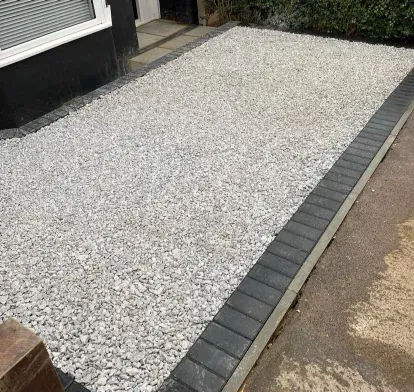
Concrete Driveways Portsmouth
Concrete Driveways in Portsmouth
Hard-wearing reinforced concrete driveways, hardstandings and bases — correctly specified mixes, steel reinforcement, designed movement joints and a finish chosen for grip as well as looks.
When concrete is the right answer
Concrete makes sense where the surface will take punishment: a van parked daily, a caravan or motorhome standing on the same footprint for months, a workshop apron, a bin and cycle store base, or a hardstanding that has to be genuinely maintenance free. It has no joints to re-sand, nothing to lift and no loose material to migrate.
The trade-off is repairability. A block driveway can be lifted and relaid; a concrete slab cannot. Any future service trench across it leaves a visible patch. If the frontage is likely to be dug up, we would usually steer you towards block paving instead.
How we build a concrete driveway
Excavation to a formation that will carry load, a compacted granular sub-base, then a polythene slip membrane where appropriate. Steel mesh reinforcement is supported on chairs so it sits within the slab rather than lying on the ground doing nothing. Edge formwork is set to line and level with the fall built in.
The pour is placed in one continuous operation where possible, vibrated, levelled off and finished. Movement joints are formed or saw-cut early, to a grid that keeps bays close to square. Curing is then controlled — covered in hot or windy weather, protected in cold — because concrete that dries too fast is weak concrete regardless of the mix on the delivery ticket.
Finishes
Brushed (broom) finish is the workhorse: excellent grip, understated, cheapest to maintain. Power float gives a smooth finish suited to garages and workshops rather than an exposed driveway. Exposed aggregate washes back the surface paste to reveal the stone, producing a hard-wearing, decorative and naturally grippy surface. Pattern imprinted stamps a texture into the wet slab and is coloured and sealed on top.
Edging in block or sett softens the outline and gives a neat transition to lawns, borders or a shared boundary.
Timescales and aftercare
Groundwork and formwork usually take two to three days, the pour is a single day, and then the slab needs time: foot traffic after around 48 hours, vehicles typically after seven days. Full strength develops over about 28 days, and hairline surface crazing during that period is a cosmetic characteristic of concrete, not a defect.
Avoid rock salt in the first winter — de-icing salts attack young concrete. After that, a wash down when it needs it is genuinely all the maintenance required. Ask for a price and we will measure up.
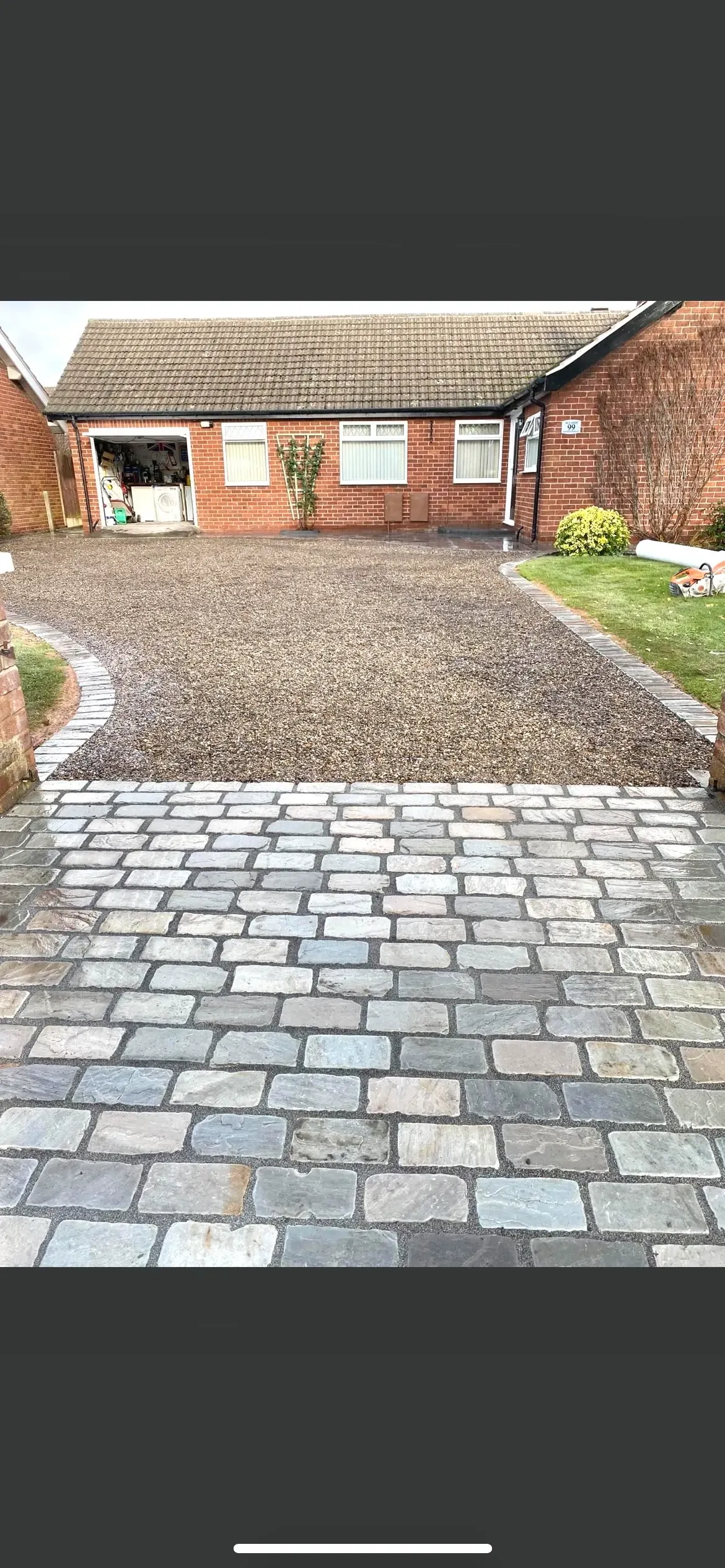
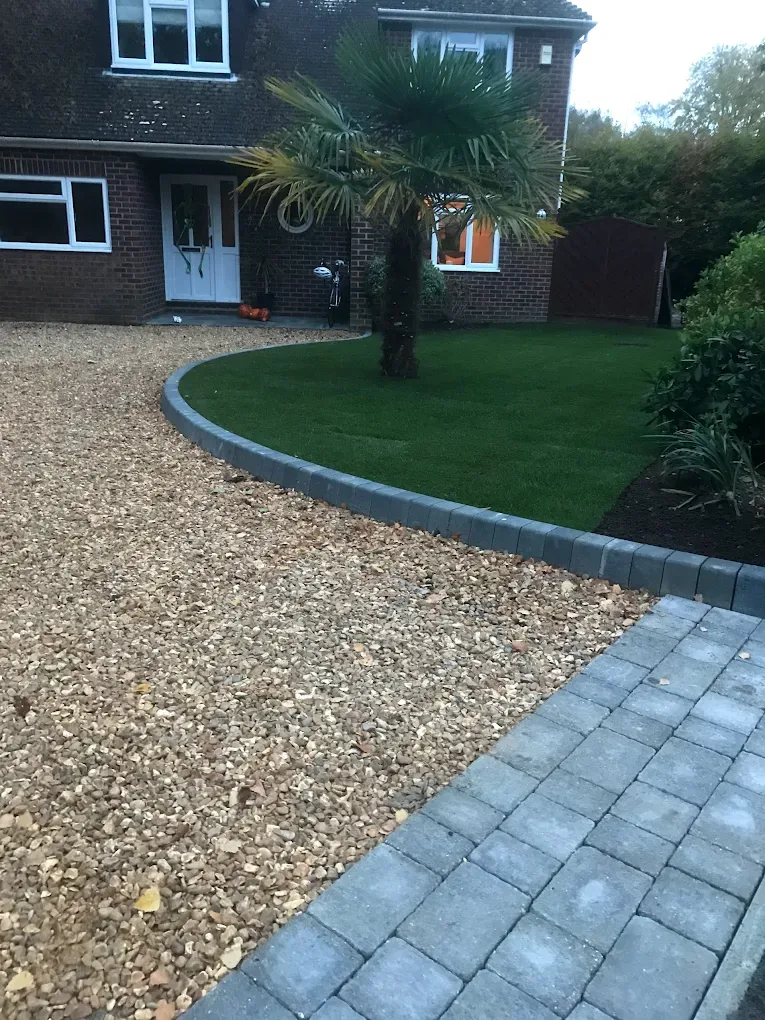
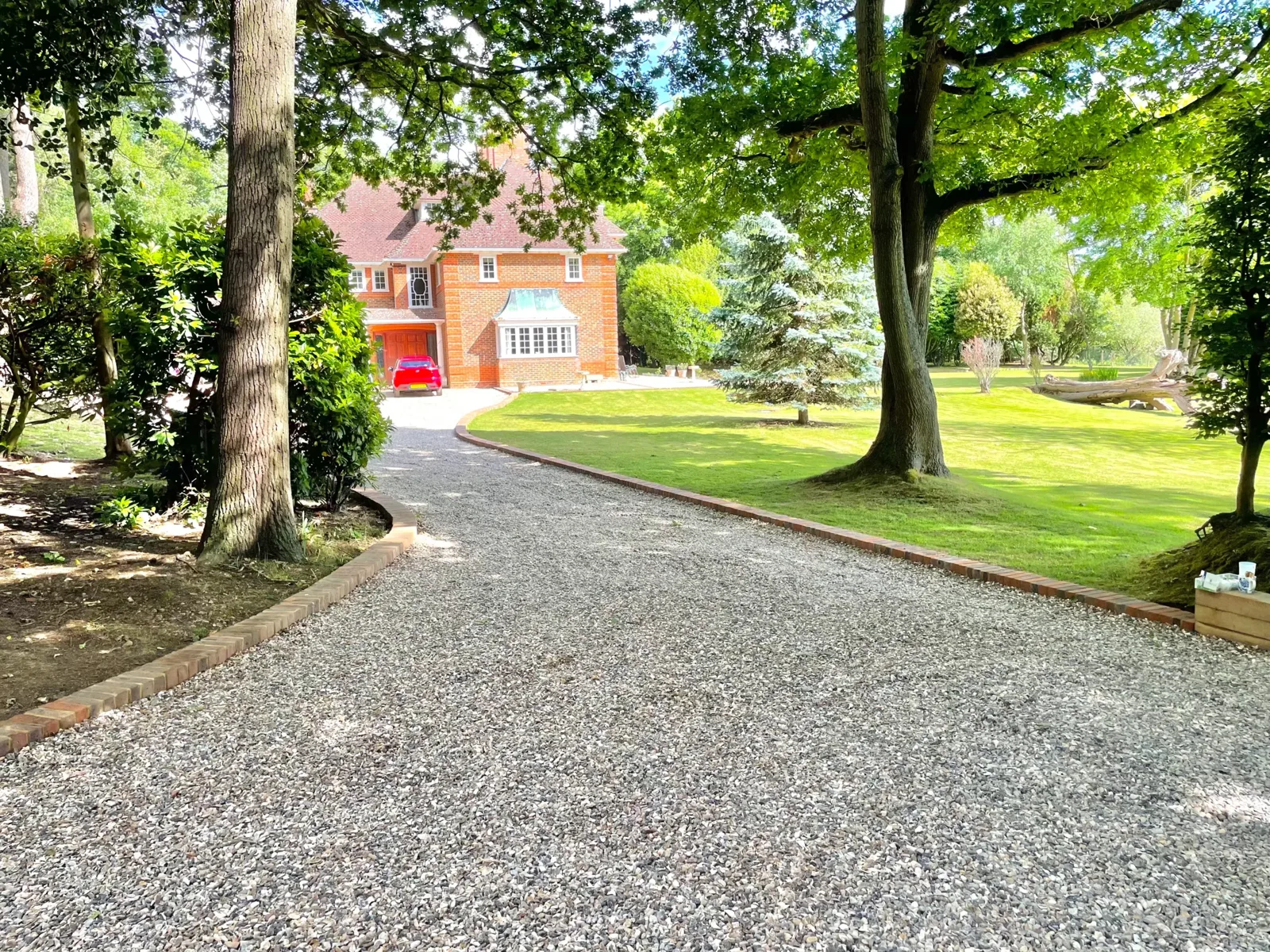
Driveway surfaces
FAQs
Concrete driveway questions
Still unsure about something? Call us and ask — we would rather answer questions before a quote than after.
Will a concrete driveway crack?
Concrete always moves. The job of the installer is to decide where it cracks by cutting or forming movement joints in a sensible grid — commonly bays no larger than around 4–5 metres with a length-to-width ratio close to square. Reinforcement holds any crack tight rather than preventing it entirely.
What mix should a driveway be?
A structural mix around C25/30 or stronger, air-entrained for frost resistance, laid at a minimum of 100mm for cars and thicker where heavier vehicles are expected. Air entrainment matters more than raw strength for a surface that will freeze and thaw.
Does concrete need planning permission?
Concrete is impermeable, so if more than five square metres at the front of the house drains directly onto the highway you need permission. Falling the slab to a channel drain, border or soakaway inside your boundary normally avoids that. We design the drainage before pouring rather than dealing with it afterwards.
What about pattern imprinted concrete?
Imprinted concrete gives a decorative finish for a competitive price, but it is a sealed surface that needs resealing every few years, it can become slippery as the seal wears, and repairs are almost impossible to match. It suits some properties well — we will set out the trade-offs honestly rather than pushing it.
Related services
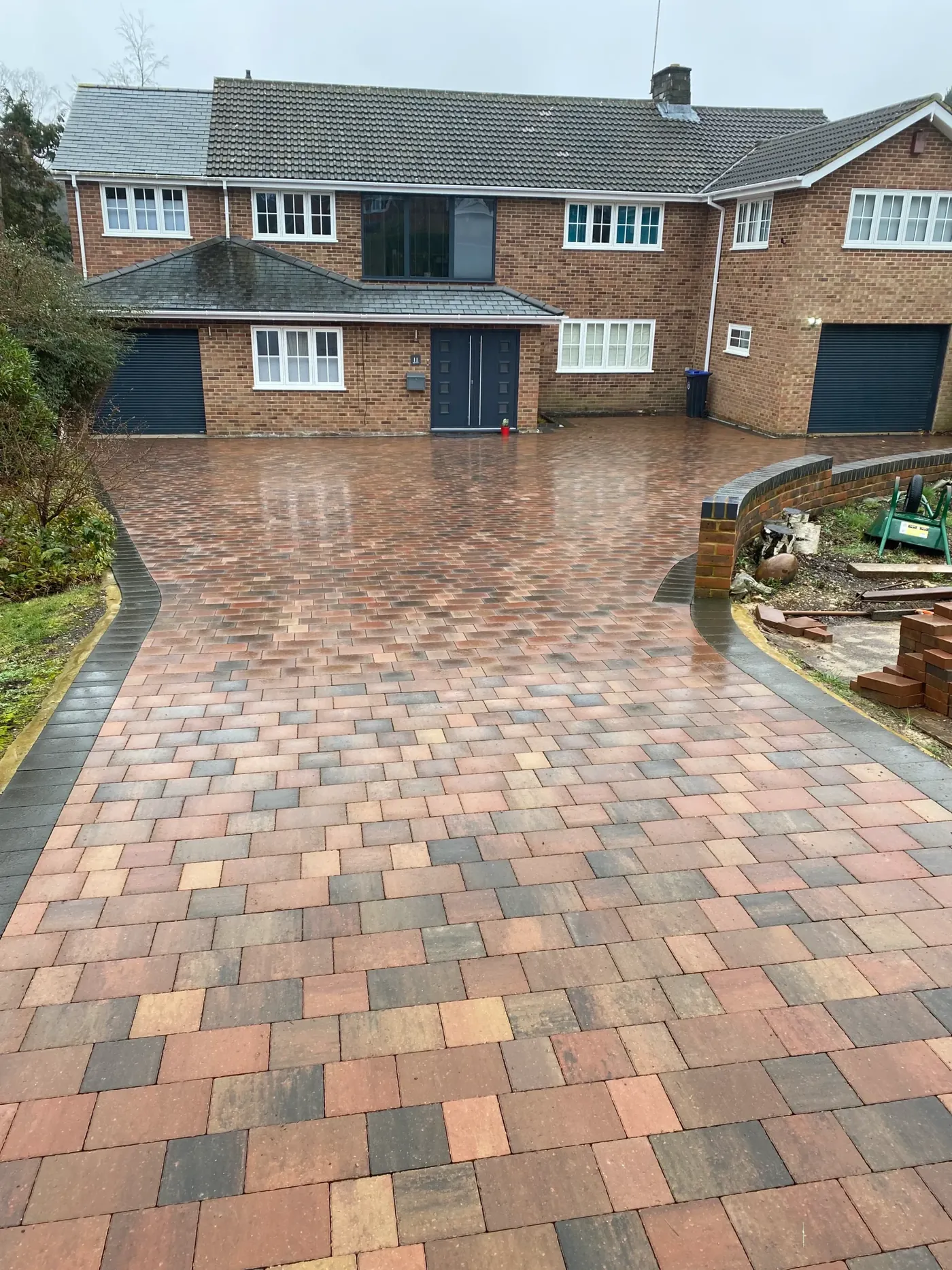 DrivewaysBlock paving, resin bound, concrete, gravel and tarmac driveways, fully excavated and drained.
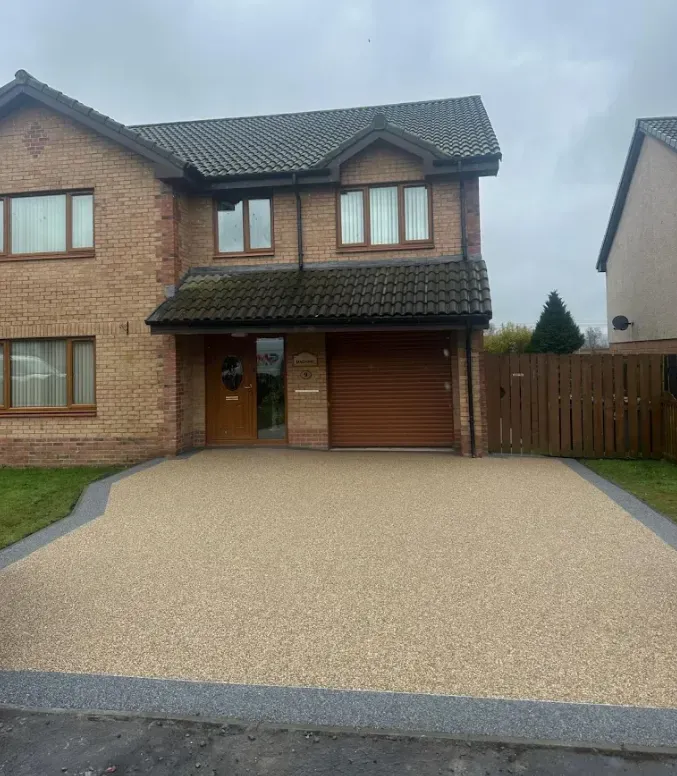 Resin DrivewaysUV-stable resin bound surfacing over a permeable or bound base, laid seamless and trowel finished.
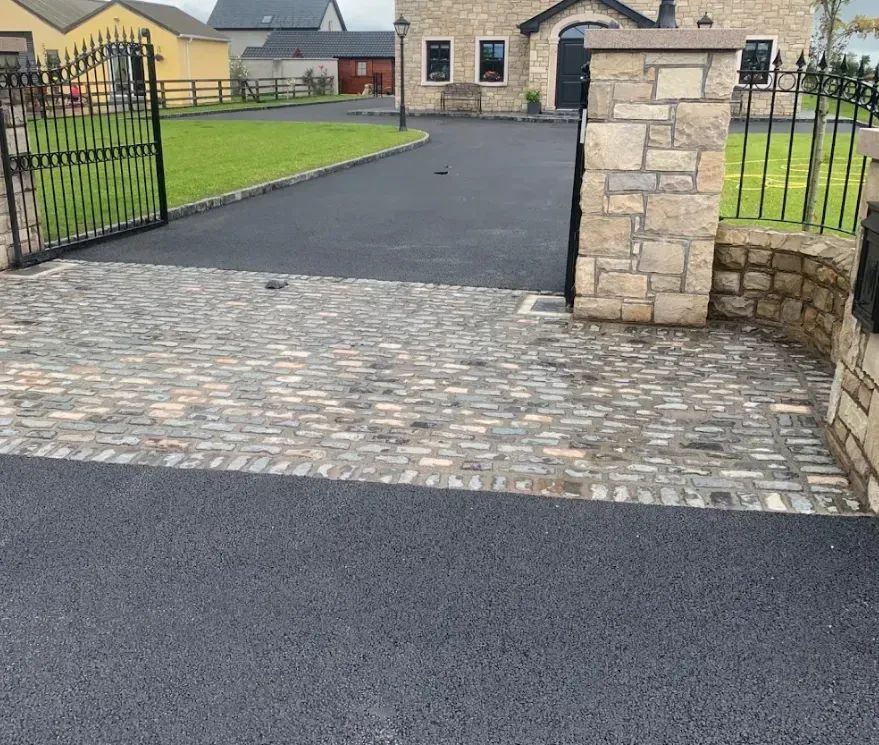 Commercial DrivewaysCar parks, forecourts and access roads built to heavier-duty depths and phased around trading hours.
Planning a new driveway or patio in Portsmouth?
Send over a few details and we will arrange a site visit, measure up and give you an itemised written quotation.
Call 07881 365851 or email portsmouthdrivewaysandpatios@gmail.com.