Tarmac Driveways Portsmouth
Tarmac Driveways in Portsmouth
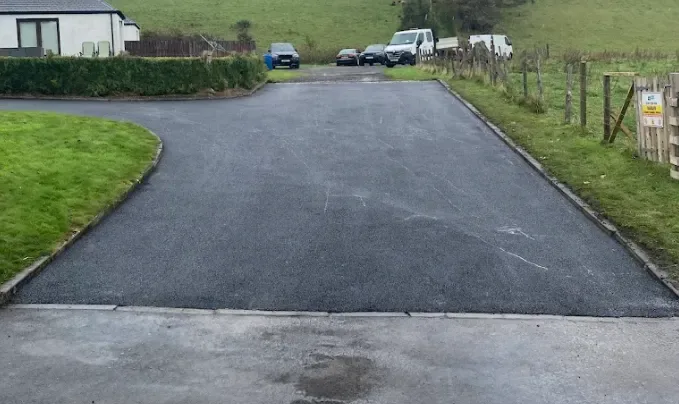
Smooth, seamless and quick to install — machine-laid tarmac driveways built in two courses over a properly compacted sub-base, with block edgings and drainage designed in from the start.
Where tarmac makes sense
Tarmac covers large areas economically and gives a jointless, quiet, easily swept surface — which is why it suits long entrance drives, shared accesses and the wider frontages around Farlington, Paulsgrove and Portchester. It is also the fastest surface to install, so disruption is measured in days rather than weeks.
For a decorative frontage where you want pattern and colour, block paving is usually the better choice. Tarmac earns its place on practicality.
How we build a tarmac driveway
Existing surfaces are broken out and removed, the formation is dug to depth and a granular sub-base is compacted in layers. Block or kerb edgings are bedded and haunched in concrete first, because tarmac with no restraint crumbles at the perimeter within a few winters.
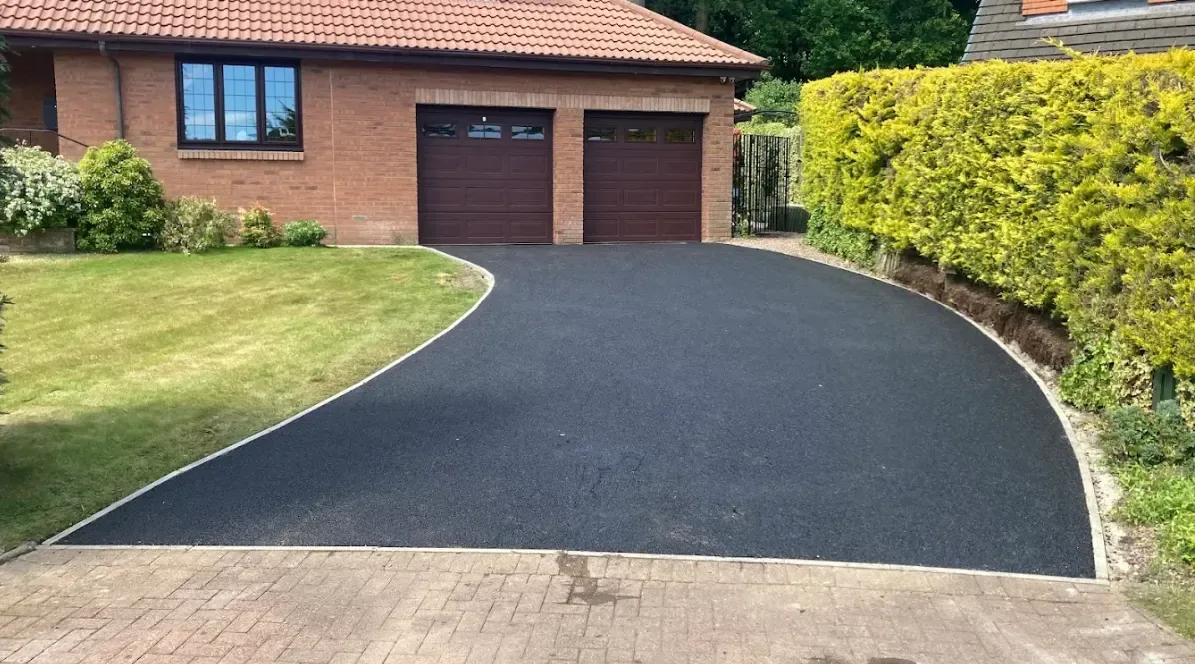
We then lay a 50–60mm base course of larger aggregate and roll it hot, followed by a 20–25mm 6mm-size wearing course for the smooth closed finish. Joints against manholes, thresholds and gullies are sealed with hot bitumen so water cannot get underneath.
Finishes and options
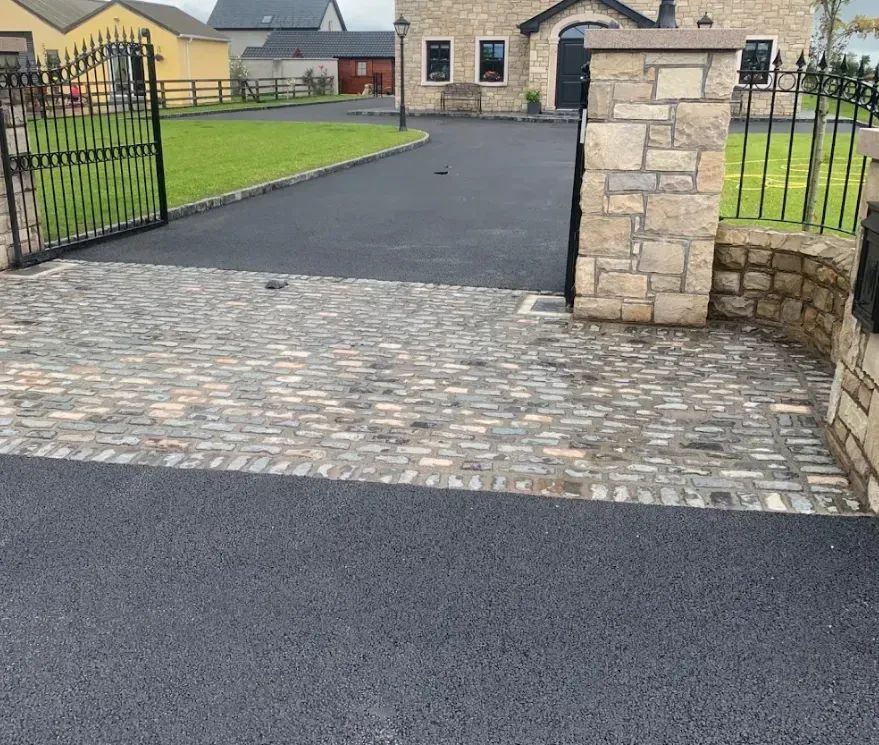
Standard black asphalt is the classic look; red tarmac and buff-toned surfacing are available where you want warmth. A block-paved apron or border lifts the appearance considerably for little extra cost, and inset drainage channels can be finished flush with the surface.
Timescales and aftercare
Most domestic driveways take two to four days including groundwork. Once cured, maintenance is a wash down and, after several years, an optional seal. We do not recommend cheap overband sealers — they wear patchily and look worse than the tarmac beneath. Get a free quotation and we will survey the levels and drainage before pricing.
Driveway surfaces
FAQs
Tarmac driveway questions
Still unsure about something? Call us and ask — we would rather answer questions before a quote than after.
How long does a tarmac driveway last?
A properly built two-course driveway — base course and wearing course over a compacted sub-base — should give twenty years or more. Failures we are called out to are nearly always a single thin layer laid straight over an old surface with no edge restraint.
Can you lay tarmac over an existing driveway?
Sometimes. If the existing surface is sound, well drained and levels allow, an overlay is economical. If it is cracked, moving or holding water, an overlay simply reflects those faults through within a couple of winters, and we will say so rather than take the work.
Does tarmac need planning permission?
Tarmac is impermeable, so any front driveway over five square metres must drain to a soakaway, channel drain or border inside your boundary rather than onto the road. We design the falls and drainage as part of the quotation.
When can I park on it?
Foot traffic the same day once it has cooled, vehicles usually after 24–48 hours. For the first few weeks avoid turning the steering wheel while stationary, and keep motorcycle and trailer stands on a spreader plate in hot weather.
Related services
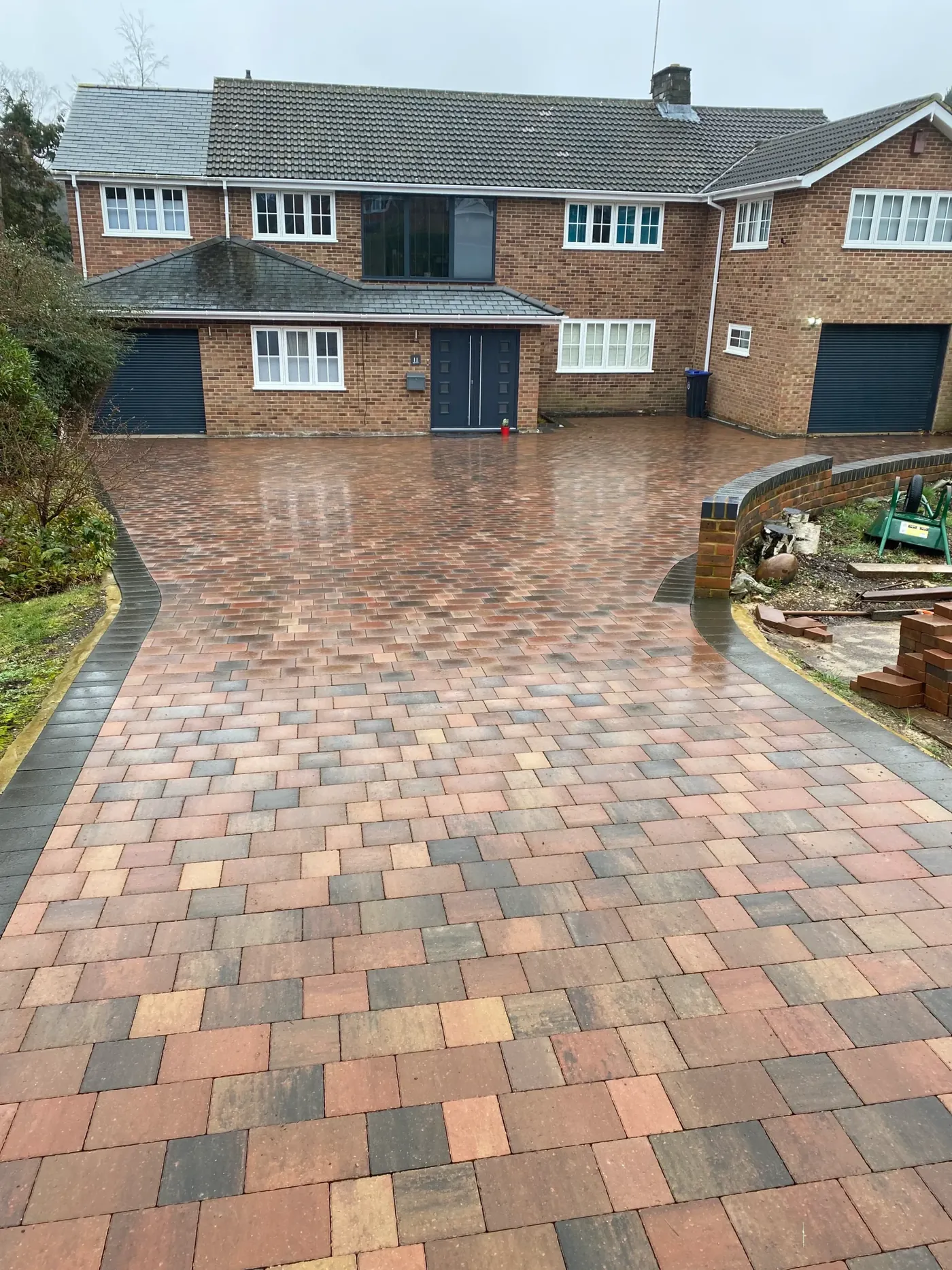 DrivewaysBlock paving, resin bound, concrete, gravel and tarmac driveways, fully excavated and drained.
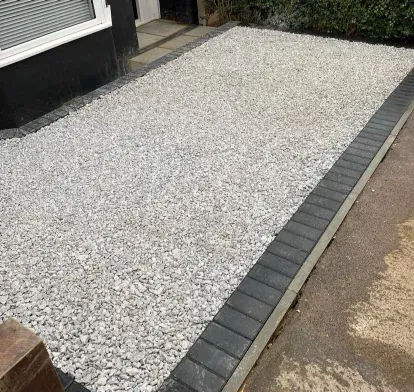 Gravel DrivewaysLoose-laid or stabilised gravel over a compacted sub-base, with proper edge restraints and grid retention.
- Commercial DrivewaysCar parks, forecourts and access roads built to heavier-duty depths and phased around trading hours.
Planning a new driveway or patio in Portsmouth?
Send over a few details and we will arrange a site visit, measure up and give you an itemised written quotation.
Call 07881 365851 or email portsmouthdrivewaysandpatios@gmail.com.