Resin Driveways Portsmouth
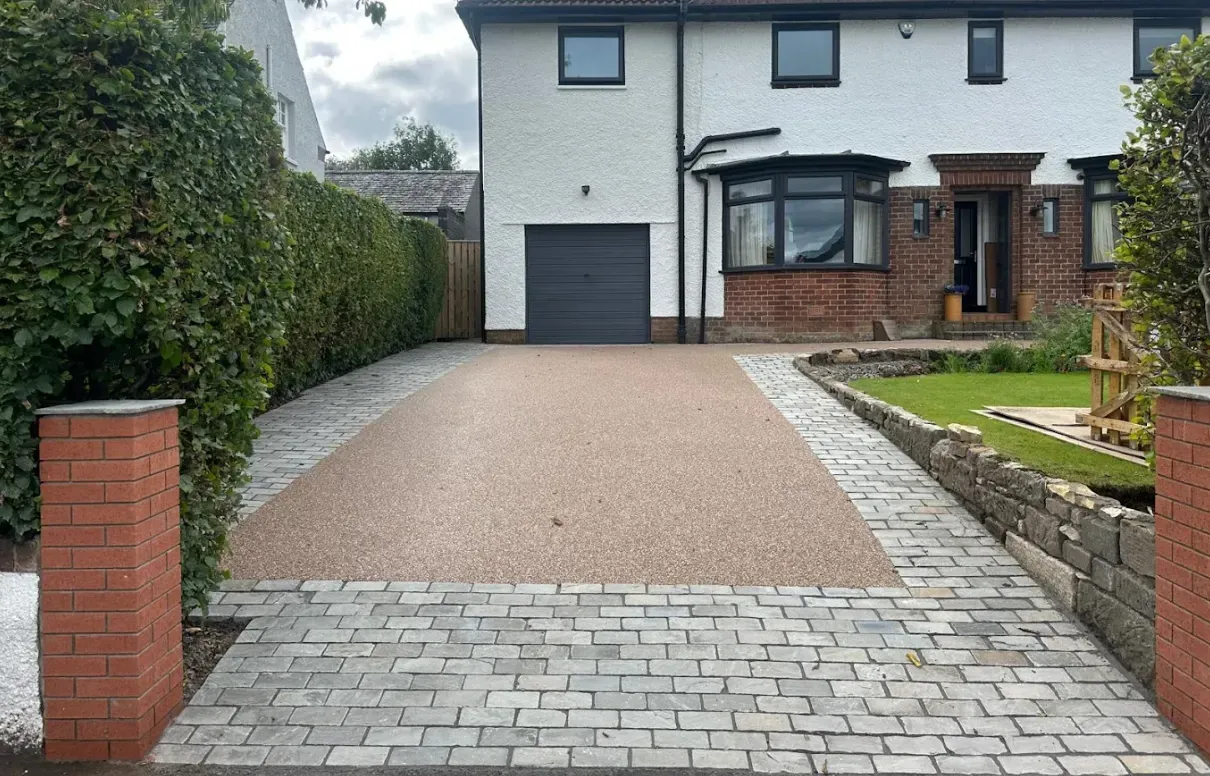
Resin Bound Driveways in Portsmouth
Seamless, permeable resin bound surfacing for driveways, paths and terraces — hand trowelled in UV-stable resin over a base we can stand behind.
What resin bound actually is
Resin bound surfacing is a mix of kiln-dried natural aggregate and a two-part polyurethane resin, blended on site and trowelled out to a nominal 15–18mm over a prepared base. Every stone is fully coated, so the finished surface is continuous, firm underfoot and has no joints, no loose stone and nowhere for weeds to establish.
Because voids remain between the coated stones, water passes straight through at a rate far higher than any rainfall the south coast produces. That makes it a SuDS-compliant surface when laid over a permeable base, which usually keeps a front driveway within permitted development.
Where it works best
Resin suits anyone who wants a clean, quiet, low-maintenance surface: it sweeps easily, bins and pushchairs roll over it without catching, and there is no jointing sand to top up. Wheelchair users and anyone with mobility difficulties notice the difference immediately compared with gravel or riven paving.
It is also the neatest way to upgrade an existing sound tarmac drive, and it works well for paths, bin stores, garden terraces and the surround to an outdoor seating area where a continuous surface looks better than a grid of slabs.
Aggregates and colours
Blends range from pale silvers and golden buffs through to autumn browns and near-black basalts, in 1–3mm and 2–5mm sizes. Smaller aggregate gives a tighter, smoother finish; larger reads more like gravel. Recycled glass and marble blends are available where a brighter finish is wanted.
A darker blend hides tyre marks and general grime better on a busy frontage. A pale blend lifts a shaded, north-facing entrance. We leave samples with you so you can look at them wet and dry, in daylight and under a security light, before deciding.
Installation and weather
Resin is weather-dependent. It cannot be laid in rain or onto a damp base, and low temperatures slow the cure while high temperatures shorten the working time of each mix. That is why we build sensible contingency into the programme rather than promising a fixed date and then rushing a mix.
On the day, the base is checked and primed where needed, edges and thresholds are masked, and each batch is mixed to a measured ratio and trowelled into the last while still open, so there are no cold joints across the surface. Foot traffic is normally fine after around six hours, vehicles after 24–48 hours depending on conditions.
Considering resin against blocks? Compare it with block paving or ask us for both prices on the same site visit.
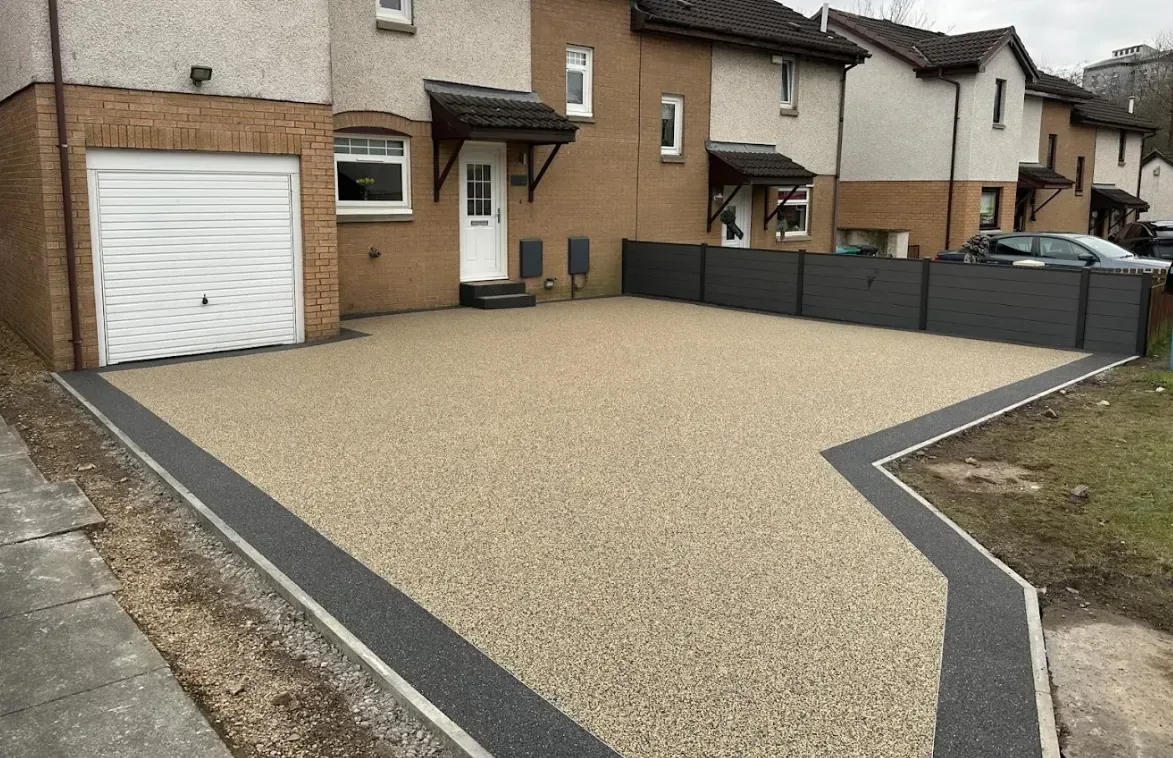
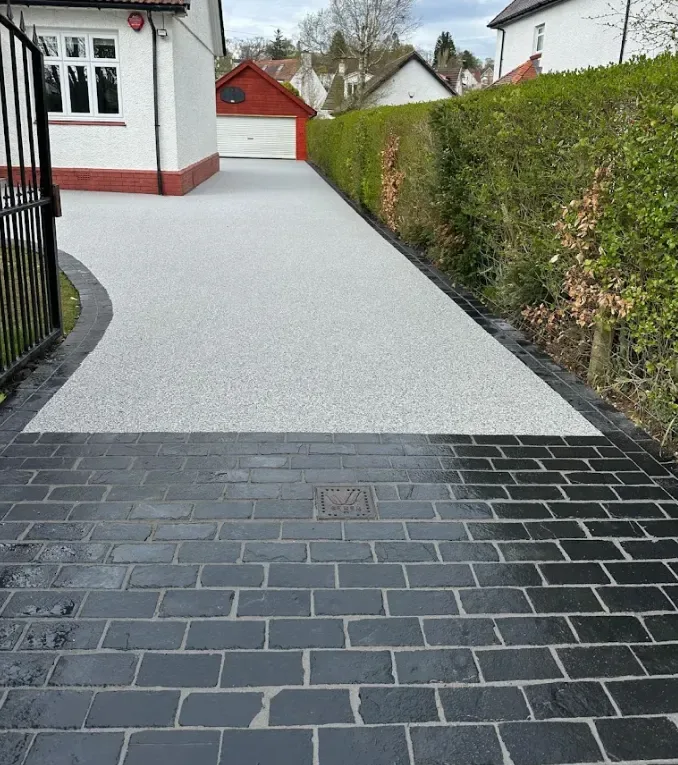
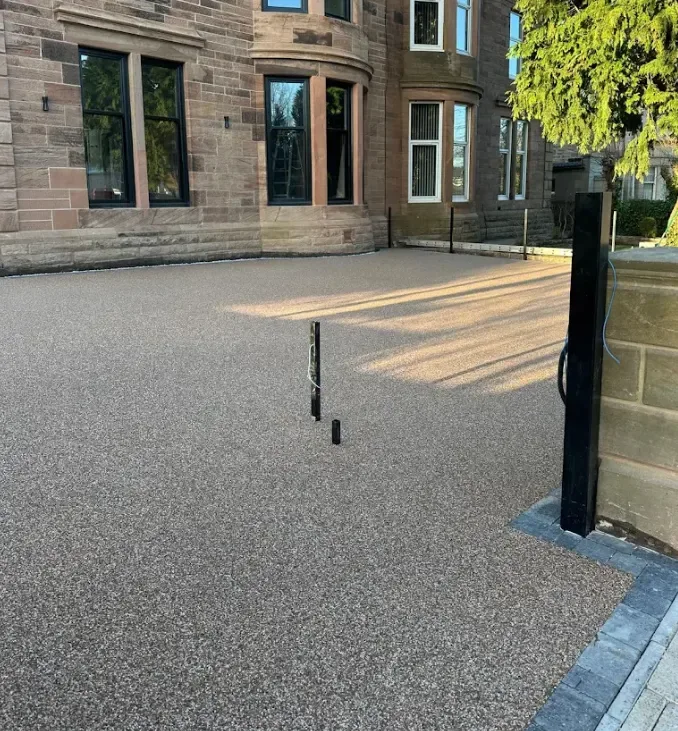
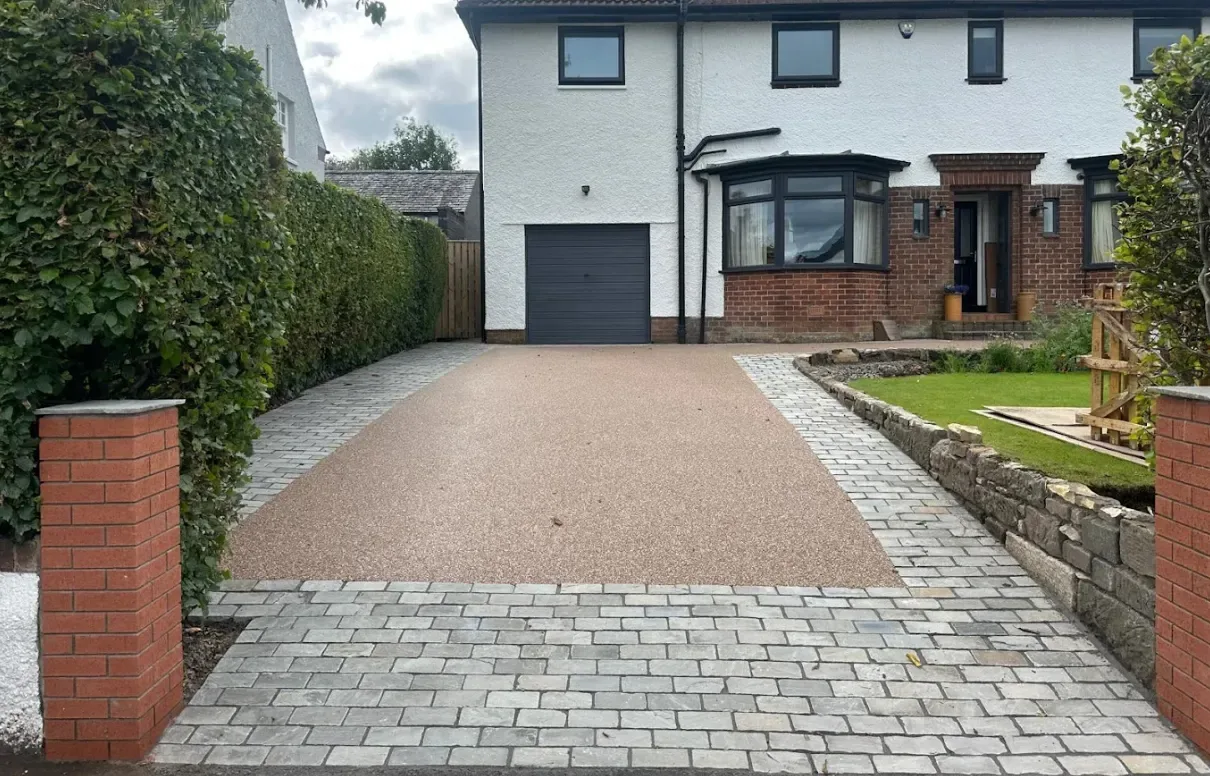
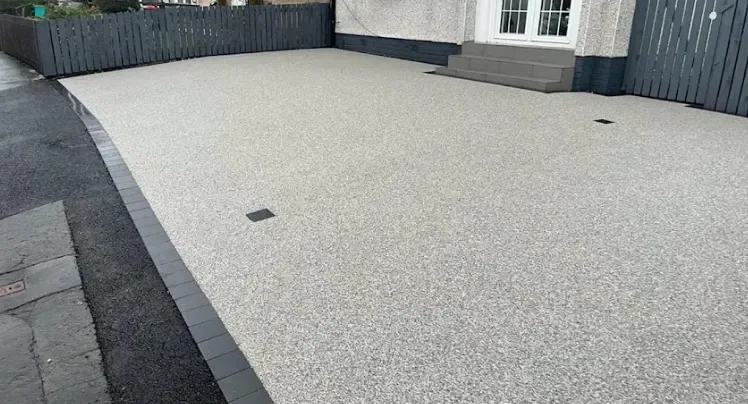
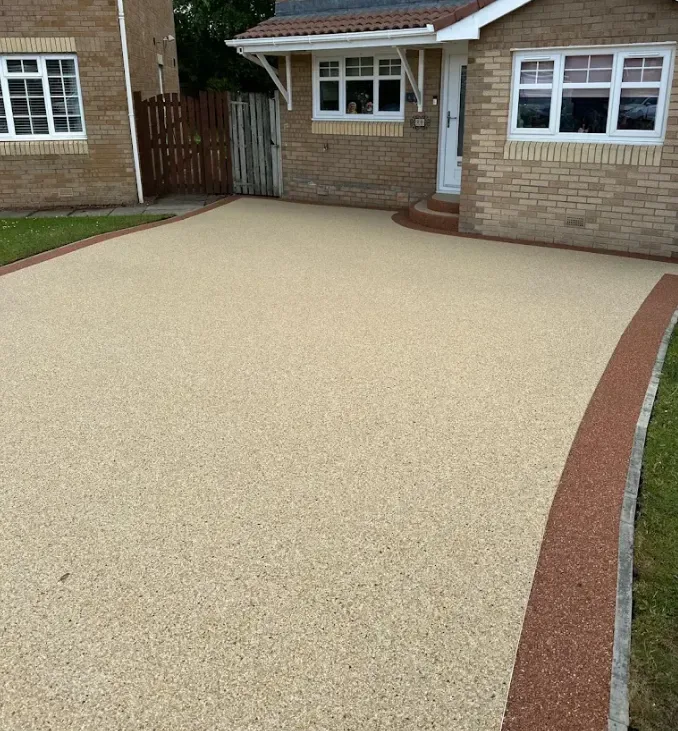
Resin bound installations
FAQs
Resin driveway questions
Still unsure about something? Call us and ask — we would rather answer questions before a quote than after.
What is the difference between resin bound and resin bonded?
Resin bound means the aggregate is mixed with the resin in a forced-action mixer and then trowelled out, so every stone is coated and locked into a permeable matrix — the finish is smooth and the stone does not come loose. Resin bonded means resin is spread on the base and loose stone is scattered over it; it looks like gravel, is not permeable, and sheds stone over time. We install resin bound.
Is resin bound suitable for a coastal city like Portsmouth?
Yes, provided the right resin is specified. A UV-stable aliphatic resin resists the yellowing that cheaper aromatic resins suffer in strong sunlight, which matters on south-facing frontages near the seafront. The surface is unaffected by salt air, and because it is permeable it does not hold standing water that could freeze.
What base does resin need?
A sound, stable and clean base — normally new porous asphalt, or existing tarmac or concrete that is not cracked, oily or moving. Resin is only 15–18mm thick and has no structural strength of its own, so it mirrors whatever is beneath it. If your existing base is failing, we replace it; laying resin over a bad base is the single most common cause of resin driveways going wrong.
How long does a resin driveway last?
A properly specified installation on a good base is generally expected to give somewhere in the region of 15–20 years of service with routine cleaning. Longevity depends far more on the base and the resin-to-aggregate ratio than on the brand name, which is why we do not cut the mix.
Related services
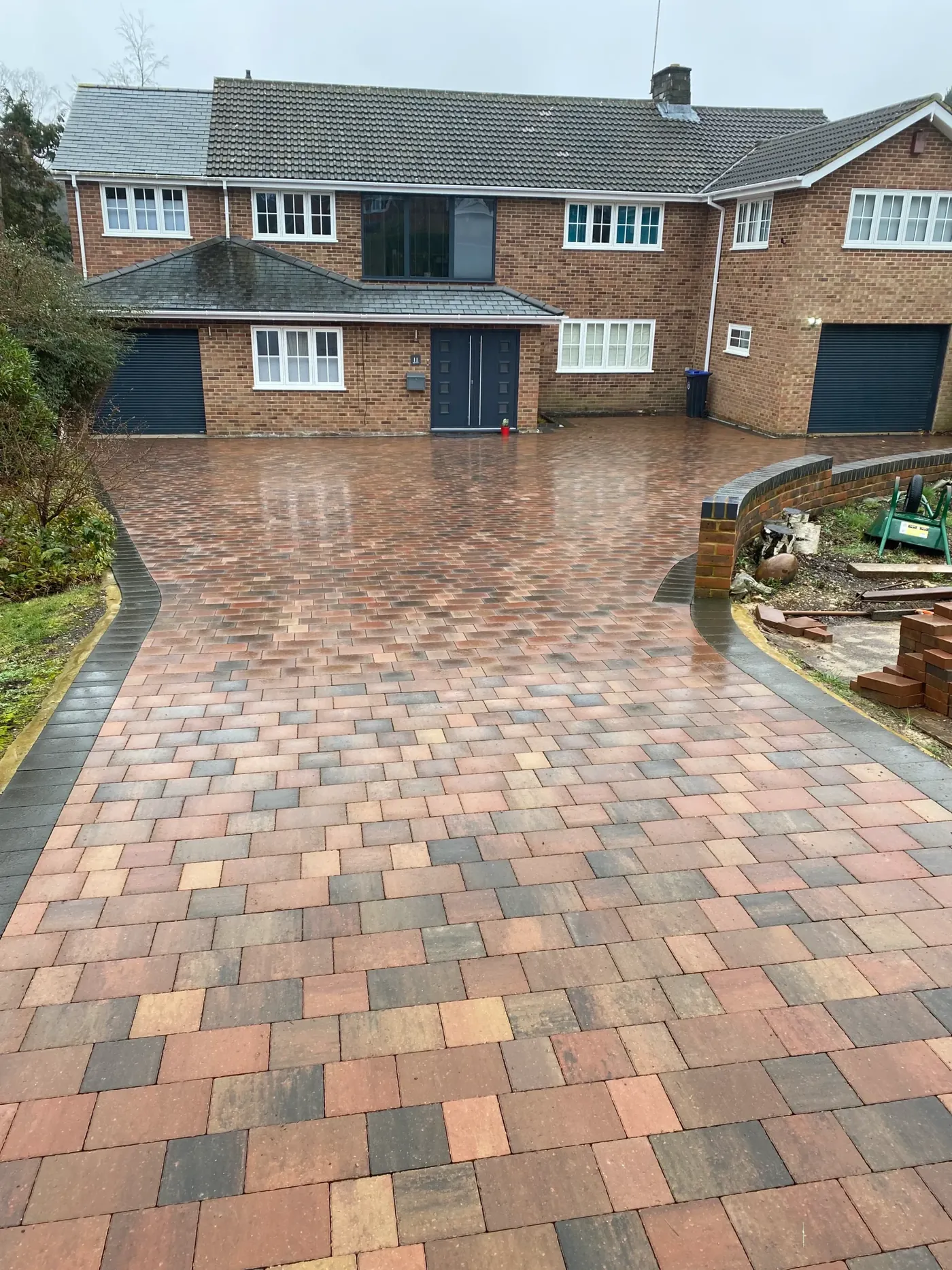 DrivewaysBlock paving, resin bound, concrete, gravel and tarmac driveways, fully excavated and drained.
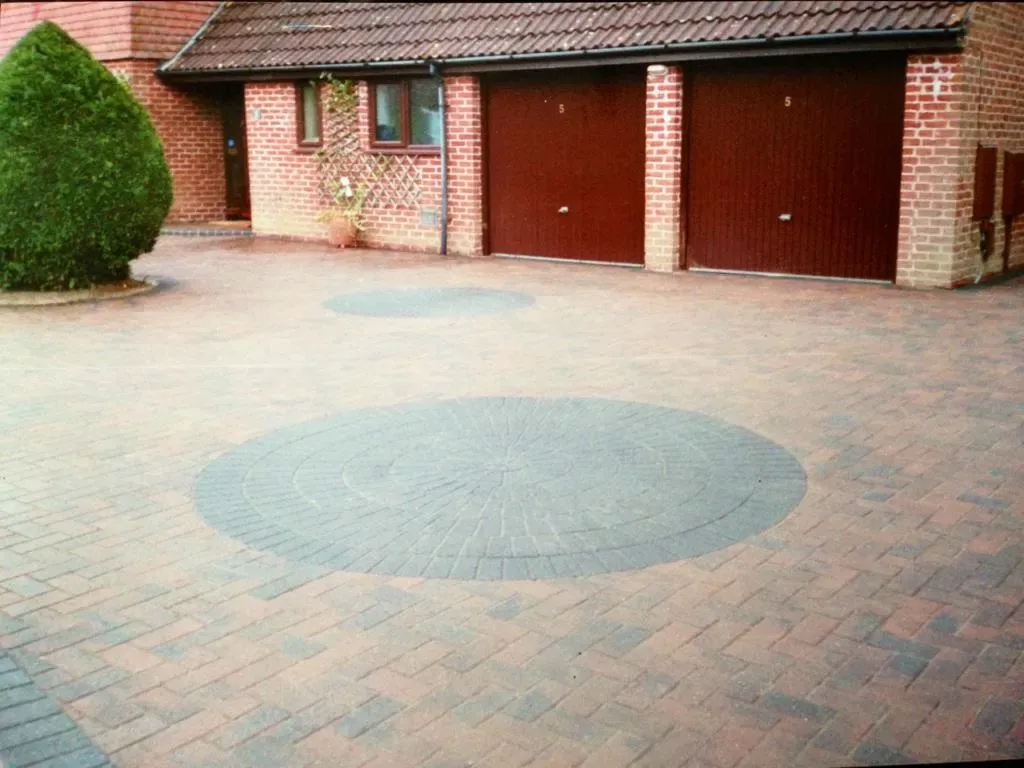 Block PavingHerringbone, stretcher and basketweave block paving with contrast borders and inlaid features.
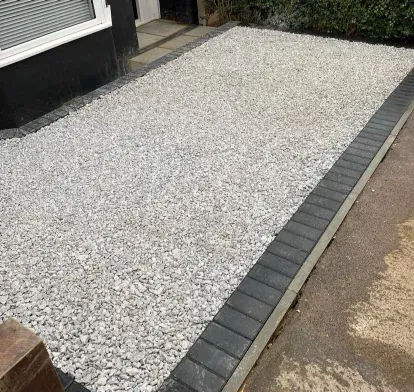 Concrete DrivewaysReinforced, air-entrained concrete with movement joints and brushed, patterned or exposed finishes.
Planning a new driveway or patio in Portsmouth?
Send over a few details and we will arrange a site visit, measure up and give you an itemised written quotation.
Call 07881 365851 or email portsmouthdrivewaysandpatios@gmail.com.